Menu
- Strona główna
- Zespół Centrum
- Badania
- Publikacje
- Linki
- Kontakt
- Archiwum
- Zagłada Żydów. Studia i Materiały
pismo naukowe Centrum - Dalej jest noc - »Nieudana KOREKTA OBRAZU«
- Wybór źródeł
- EHRI PL
Aktualności
Otwarte Seminarium Naukowe Centrum. Dr Anna Rozenfeld: Po Zagładzie na falach eteru. Radio jidysz z powojennej Polski
Otwarte Seminarium Naukowe Anna Rozenfeld Po Zagładzie na falach eteru. Radio jidysz z powojennej Polski Spotkanie odbędzie się w środę 21 października br. w sali 161 w Pałacu Staszica (ul. Nowy Świat 72) o godz. 10.30 &nbs...
Jak badać Zagładę? EHRI-PL Warsztat dla młodych badaczy/ek
pobierz CfA w PDF Jak badać Zagładę? EHRI-PL Warsztat dla młodych badaczy/ek – 13-17 września 2026, Oświęcim Centrum Badań nad Zagładą Żydów IFiS PAN (członek polskiego w...
Otwarte Seminarium Naukowe Centrum. Dr Anna Rozenfeld: Po Zagładzie na falach eteru. Radio jidysz z powojennej Polski
Otwarte Seminarium Naukowe Anna Rozenfeld Po Zagładzie na falach eteru. Radio jidysz z powojennej Polski Spotkanie odbędzie się w środę 21 października br. w sali 161 w Pałacu Staszica (ul. Nowy Świat 72) o godz. 10.30 UWAG...
Otwarte seminarium naukowe Centrum - Wioletta Wejman Ja to pamiętam. Zagłada we wspomnieniach świadkiń i świadków historii
Otwarte Seminarium Naukowe Wioletta Wejmann „Ja to pamiętam”. Zagłada we wspomnieniach świadkiń i świadków historii: relacje z archiwum Pracowni Historii Mówionej Ośrodka „Brama Grodzka – Teatr NN” w Lublinie ...
NEWSLETTER
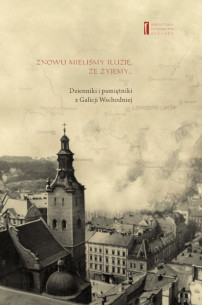
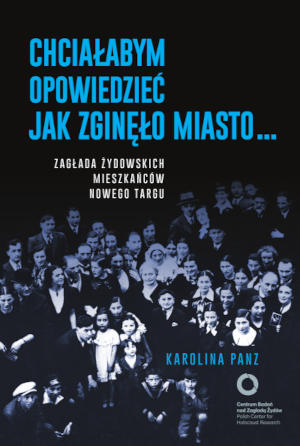 Chciałabym opowiedzieć jak zginęło miasto ...
Zagłada Żydowskich mieszkańców Nowego Targu
Karolina Panz
Warszawa 2025
 Zagłada Żydów.
Studia i Materiały
nr 18, R. 2022
Warszawa 2022
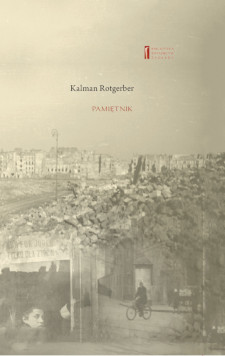 PAMIĘTNIK
Kalman Rotgeber
oprac. Aleksandra Bańkowska, wstęp Jacek Leociak
Warszawa 2021

Zagłada Żydów.
Studia i Materiały
nr 17, R. 2021
Warszawa 2021
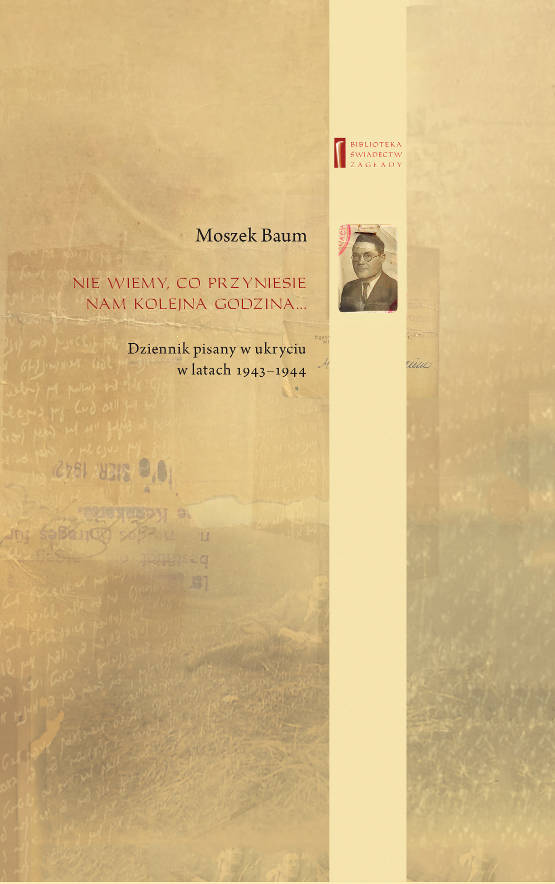 NIE WIEMY CO PRZYNIESIE NAM KOLEJNA GODZINA ...
Dziennik pisany w ukryciu w latach 1943-1944
Moszek Baum, oprac. Barbara Engelking, tłum. z jidysz Monika Polit
Warszawa 2020
Zagłada Żydów.
Studia i Materiały
nr 16, R. 2020
Warszawa 2020
.jpg) Aryjskiego Żyda wspomnienia, łzy i myśli
Aryjskiego Żyda wspomnienia, łzy i myśli
Zapiski z okupacyjnej Warszawy
Sewek Okonowski, oprac. Marta Janczewska
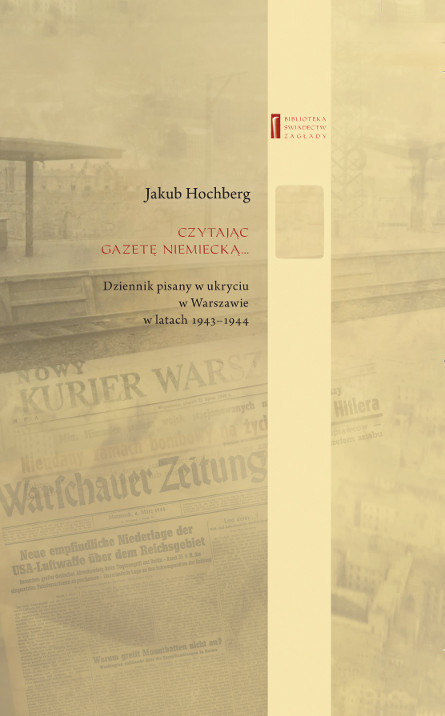
CZYTAJĄC GAZETĘ NIEMIECKĄ ...
Dziennik pisany w ukryciu w Warszawie w latach 1943-1944
Jakub Hochberg, oprac. i wstępem opatrzyła Barbara Engelking
Warszawa 2019
.jpg)
Zagłada Żydów.
Studia i Materiały
nr 15, R. 2019
Warszawa 2019
.jpg) Zagłada Żydów.
Zagłada Żydów.
Studia i Materiały
nr 14, R. 2018
Warszawa 2018
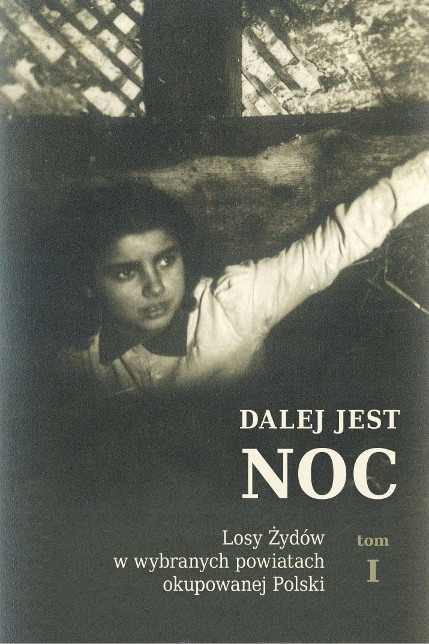 DALEJ JEST NOC. Losy Żydów w wybranych powiatach okupowanej Polski
red. i wstęp Barbara Engelking, Jan Grabowski
Warszawa 2018
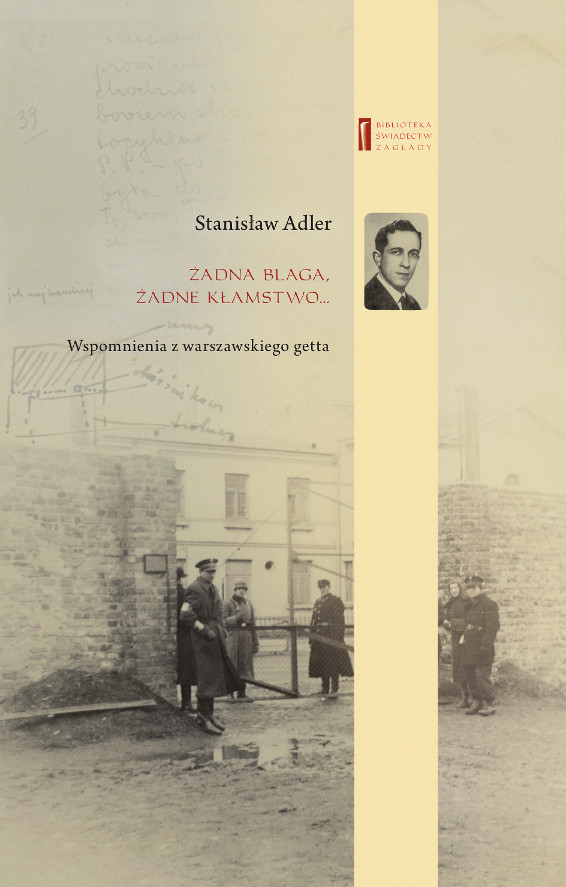 ŻADNA BLAGA, ŻADNE KŁAMSTWO ...
Wspomnienia z warszawskiego getta
Stanisław Adler, oprac. i wstępem opatrzyła Marta Janczewska
Warszawa 2018
 Zagłada Żydów.
Studia i Materiały
nr 13, R. 2017
Warszawa 2017
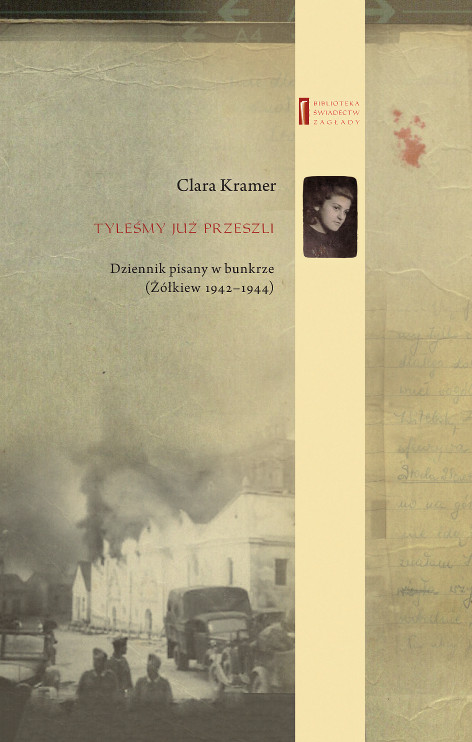 TYLEŚMY JUŻ PRZESZLI ...
Dziennik pisany w bunkrze (Żółkiew 1942-1944)
Clara Kramer, oprac. i wstępem opatrzyła Anna Wylegała
Warszawa 2017
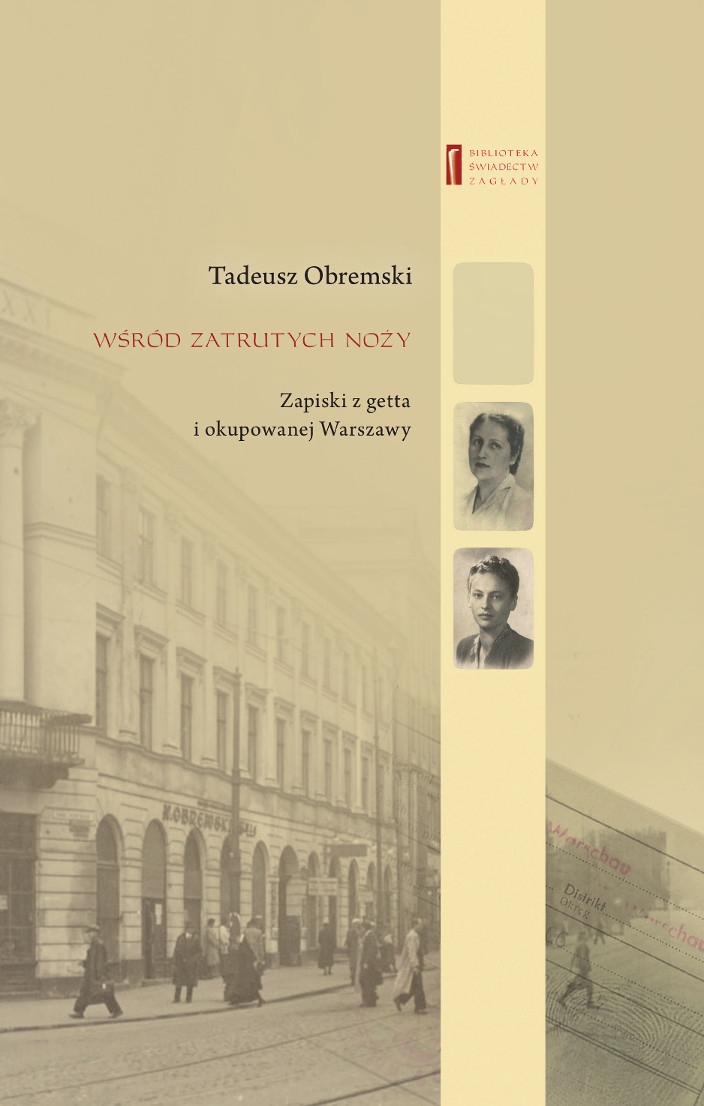 WŚRÓD ZATRUTYCH NOŻY ...
Zapiski z getta i okupowanej Warszawy
Tadeusz Obremski, oprac. i wstępem opatrzyła Agnieszka Haska
Warszawa 2017
 PO WOJNIE, Z POMOCĄ BOŻĄ, JUŻ NIEBAWEM ...
Pisma Kopla i Mirki Piżyców o życiu w getcie i okupowanej Warszawie
oprac. i wstępem opatrzyła Barbara Engelking i Havi Dreifuss
Warszawa 2017
 Zagłada Żydów.
Studia i Materiały
nr 12, R. 2016
Warszawa 2016
.jpg) SNY CHOCIAŻ MAMY WSPANIAŁE ...
SNY CHOCIAŻ MAMY WSPANIAŁE ...
Okupacyjne dzienniki Żydów z okolic Mińska Mazowieckiego
oprac. i wstępem opatrzyła Barbara Engelking
Warszawa 2016
.jpg)
 Zagłada Żydów.
Studia i Materiały
nr 11, R. 2015
Warszawa 2015
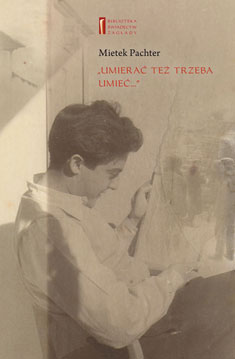 Mietek Pachter
UMIERAĆ TEŻ TRZEBA UMIEĆ ...
oprac. B. Engelking
Warszawa 2015
 Zagłada Żydów.
Studia i Materiały
nr 10, t. I-II, R. 2014
Warszawa 2015
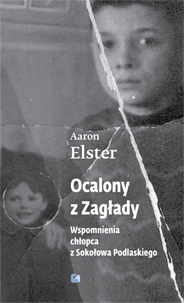 OCALONY Z ZAGŁADY
Wspomnienia chłopca z Sokołowa Podlaskiego
tłum. Elżbieta Olender-Dmowska
red .B. Engelking i J. Grabowski
Warszawa 2014
 ZAGŁADA ŻYDÓW. STUDIA I MATERIAŁY
vol. 9 R. 2013
Pismo Centrum Badań nad Zagładą Żydów IFiS PAN
Warszawa 2013
 ... TĘSKNOTA NACHODZI NAS JAK CIĘŻKA CHOROBA ...
Korespondencja wojenna rodziny Finkelsztejnów, 1939-1941
oprac. i wstępem opatrzyła Ewa Koźmińska-Frejlak
Warszawa 2012
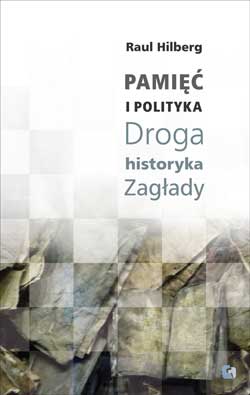
Raul Hilberg
PAMIĘĆ I POLITYKA. Droga historyka Zagłady
tłum. Jerzy Giebułtowski
Warszawa 2012
 Monika Polit
"Moja żydowska dusza nie obawia się dnia sądu."
Mordechaj Chaim Rumkowski. Prawda i zmyślenie
Warszawa 2012
.jpg)
.jpg) Dariusz Libionka i Laurence Weinbaum
Dariusz Libionka i Laurence Weinbaum
Bohaterowie, hochsztaplerzy, opisywacze. Wokół Żydowskiego Związku Wojskowego
Warszawa 2011
.jpg)
.jpg) Zagłada Żydów.
Zagłada Żydów.
Studia i Materiały
R. 2011, nr. 7; Warszawa 2011
.jpg)
.jpg) Jan Grabowski
Jan Grabowski
JUDENJAGD. Polowanie na Żydów 1942.1945.
Studium dziejów pewnego powiatu
Warszawa 2011
.jpg)
.jpg) Stanisław Gombiński (Jan Mawult)
Stanisław Gombiński (Jan Mawult)
Wspomnienia policjanta z warszawskiego getta
oprac. i wstęp Marta Janczewska
Warszawa 2010
Holocaust Studies and Materials
Journal of the Polish Center for Holocaust Research
Warssaw 2010
.jpg) Żydów łamiących prawo należy karać śmiercią!
Żydów łamiących prawo należy karać śmiercią!
"Przestępczość" Żydów w Warszawie, 1939-1942
B. Engelking, J. Grabowski
Warszawa 2010

Zagłada Żydów.
Studia i Materiały
R. 2010, nr. 6; Warszawa 2010
Wybór źródeł do nauczania o zagładzie Żydów
Ćwiczenia ze źródłami
red. A. Skibińska, R. Szuchta
Warszawa 2010
.jpg) W Imię Boże!
W Imię Boże!
Cecylia Gruft
oprac. i wstęp Łukasz Biedka
Warszawa 2009
.jpg)
Zagłada Żydów.
Studia i Materiały
R. 2009, nr. 5; Warszawa 2009
.jpg) Żydzi w powstańczej Warszawie
Żydzi w powstańczej Warszawie
Barbara Engelking i Dariusz Libionka
Warszawa 2009
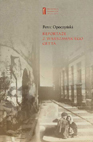 Reportaże z warszawskiego getta
Perec Opoczyński
Warszawa 2009
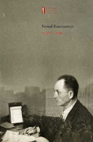 Notatnik
Szmul Rozensztajn
Warszawa 2008
.jpg) Holocaust
Holocaust
Studies and Materials.
English edition
2008, vol. 1; Warsaw 2008
.jpg)
.jpg)
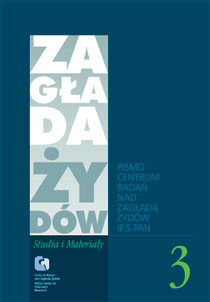
Zagłada Żydów. Studia i Materiały
R. 2007, nr. 3; Warszawa 2007
.jpg)
Prowincja noc.
Życie i zagłada Żydów w dystrykcie warszawskim
Warszawa 2007
.jpg) Utajone miasto.
Utajone miasto.
Żydzi po 'aryjskiej' stronie Warszawy [1941-1944]
Gunnar S Paulsson
Kraków 2007
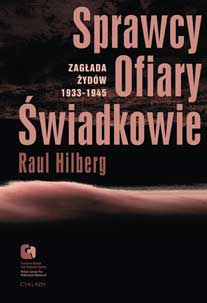 Sprawcy, Ofiary, Świadkowie.
Zagłada Żydów, 1933-1944
Raul Hilberg
Warszawa 2007
Zagłada Żydów. Studia i Materiały
R. 2006, nr. 2; Warszawa 2006
"Jestem Żydem, chcę wejść!".
Hotel Polski w Warszawie, 1943.
Agnieszka Haska
Warszawa 2006
Zagłada Żydów. Studia i Materiały
R. 2005, nr. 1; Warszawa 2005
.jpg) 'Ja tego Żyda znam!'
'Ja tego Żyda znam!'
Szantażowanie Żydów w Warszawie, 1939-1943.
Jan Grabowski
Warszawa 2004
 'Szanowny panie Gistapo!'
Donosy do władz niemieckich w Warszawie i okolichach, 1940-1941
Barbara Engelking, Warszawa 2003
aaa
ul. Nowy Świat 72, 00-330 Warszawa;
Palac Staszica pok. 120
e-mail: centrum@holocaustresearch.pl
Żydzi w powstańczej Warszawie na łamach The New York Review of Books
Żydzi w powstańczej Warszawie na łamach The New York Review of Books
14.06.2010 15:33:16
Timothy Snyder recenzuje książkę B. Engelking i D. Libionki pt. "Żydzi w powstańczej Warszawie" na łamach THE NEW YORK REVIEW OF BOOKS
źródło: The New Yor Review of Books
 Żydzi, Polacy i Naziści: tragiczna historia
Timothy Snyder
Remembering Survival: Inside a Nazi Slave-Labor Camp
by Christopher R. Browning
Norton, 375 pp., $27.95
Żydzi w powstańczej Warszawie [Jews in Insurrectionary Warsaw, 1944]
by Barbara Engelking and Dariusz Libionka
Polish Center for Holocaust Research, 358 pp., zł44.0
[...] W 1943 r. Armia Krajowa stanęła przed nierozstrzygalnym dylematem: Niemcy przegrywały wojnę, a wygrywały ją Sowiety. W lutym tego roku, pod Stalingradem, Wehrmacht poniósł pierwszą wielką klęskę. Od tej pory Armia Krajowa zmuszona była stawiać opór Niemcom i jednocześnie przygotowywać się na wkroczenie Sowietów. W kwietniu propaganda niemiecka ujawniła, przedstawiając trudne do odparcia dowody, że Sowieci rozstrzelali w Katyniu tysiące oficerów polskich. Stalin wykorzystał fakt ujawnienia dokonanej przezeń masakry jako pretekst do zerwania stosunków dyplomatycznych z Polską. Była to niewątpliwa oznaka ambicji imperialnych. Skoro Stalin nie uznawał prawowitego rządu RP podczas wspólnej wojny z nazistowskimi Niemcami, dlaczego miałby popierać niepodległość Polski po zwycięstwie sowieckim?

